Instagram followers in South Africa: Compare Packages and Costs on Sociovaults
On this page
- Know what the follower package gives you
- Look beyond the total on the profile
- Compare follower conditions without inventing account quality
- Give the price something clear to apply to
- Read the conditions you would want explained to you
- Work out what your quantity costs
- Leave room for the work you are doing
- Let a small test answer a useful question
- Here’s how I’d approach a simple example
- Keep the rand budget easy to follow
- Let’s put the calculation into numbers
- Questions before you decide
- Useful Sociovaults links
- Related guides for this service and country
A low price is easy to like. The part worth checking is what you actually get for it. If you are comparing Instagram followers in South Africa, the quantity, conditions and funding costs deserve a closer look.
Here’s how I would compare the Sociovaults options and build a price that makes sense. The aim is a package you understand and can explain to a client without adding promises along the way.
Know what the follower package gives you
This one is for the profile. You supply the account identifier the listing asks for, and that account becomes the target. Likes on a post and views on a reel are separate purchases, so keep them on separate lines if you want a wider campaign.
I would open the profile and check the handle carefully. Similar names and old links are easy to mix up. Read whether the account needs to stay public and whether changing its name affects an open order. If the client is planning a rename, ask about it before starting.
Another detail worth checking is geography. Buying from a country does not make every package local to that country. Use only the coverage the listing actually describes.
Look beyond the total on the profile
A starting count helps you follow the purchase, but ordinary follows and unfollows can happen at the same time. Keep the order record and observation times together.
A follower quantity does not tell you who will enquire, buy or stay indefinitely. Read the refill terms before choosing. Then keep working on the profile and content, with business results measured through their own records.
Compare follower conditions without inventing account quality
Labels such as premium or fast need their actual descriptions read. They do not independently establish geography, buying intent or permanent retention. Compare the accepted profile, quantity range, declared coverage and refill terms alongside the total cost. If you cannot substantiate a quality claim from the listing, do not repeat it as fact in a client quotation. The cheaper package may simply carry different conditions rather than representing an equivalent discount.
Give the price something clear to apply to
A low rate looks good on a service list. I still want to know what that money actually buys. For Instagram followers, start with the public Instagram profile or username accepted by the listing and the quantity you have in mind.
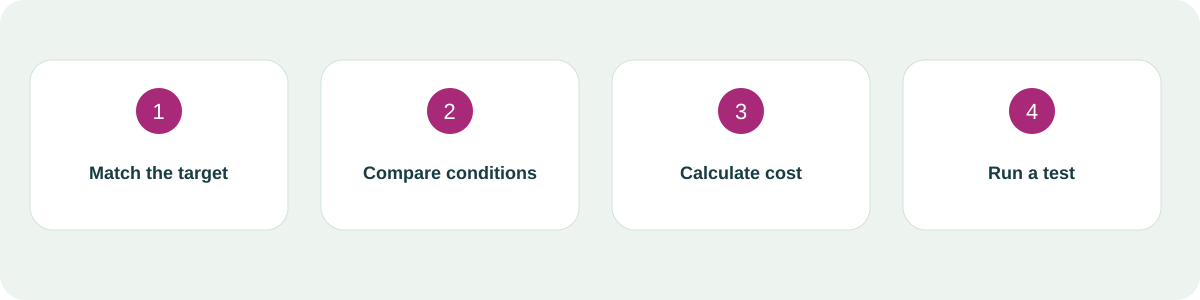
Open the current buying page and compare packages that accept that destination. Put the service ID, unit, limits and conditions beside each option. Now you have a comparison that means something.
This is especially useful when several names look similar. You can see which one fits the order instead of choosing a number and hoping the rest works out.
Read the conditions you would want explained to you
Check the link format and quantity range first. Then look at the described result and any geographic coverage. A country buying page helps you navigate; the package itself needs to support the features you plan to offer.
Refill is another part I would read closely. See whether it is included, how long you have to request it and what conditions apply. It can make a difference to the offer, but only when you understand the actual terms.
If two packages have different coverage, explain that difference to the client. There is no need to make them sound identical just because their names are close. A clear description is much easier to stand behind later.
Words such as premium or fast should lead you back to the details. The label alone cannot tell you where accounts come from, whether they will buy anything or how long every interaction will remain.
Work out what your quantity costs
For a rate per 1,000, use quantity ÷ 1,000 × rate. That is the useful calculation to make before you approve a total. The example below uses hypothetical figures, so take the method and replace the numbers with the live listing.
A fixed bundle or subscription may use another unit. Look at what is included before comparing its displayed price with a per-1,000 service. If your calculation disagrees with the form, pause and get the difference explained.
I would also separate the supplier credit from the cost of funding it. Your local budget, the payment debit and the USD wallet entry each have their own amount. Checking them together shows what the purchase really costs you.
Leave room for the work you are doing
If you sell services to clients, your work includes more than clicking a form. Preparing links, answering questions and following an order all take time. Photography, writing and editing can add even more.
List the target, quantity, conditions and tasks included in the quotation. Calculate supplier and funding costs before deciding your margin. Give the price a validity period and check it again if approval takes a while.
Keep the service the client approved attached to their reference. If another package appears later at a lower price, discuss a change before making it. The original order should remain easy to understand when somebody reviews the campaign.
Let a small test answer a useful question
For a first comparison, choose a permitted quantity within a manageable budget. Decide what you want to learn: target acceptance, status updates, the handling of a clear issue or the refill conditions you might need later.
Save the description, link, quantity, time and reference. If submission looks uncertain, check history before repeating it. Keep other overlapping activity visible when you review the public counter.
Afterwards, keep a short list of packages you would use for particular needs. Note why each one fits and when you checked the terms. Before the next order, read them again. That gives you a useful buying routine and a much clearer reason for choosing Instagram followers than the headline price alone.
Here’s how I’d approach a simple example
Consider an illustrative Johannesburg clothing label buying for its public Instagram account. The owner sends a profile address and a reel in the same message. Approve the profile as the follower target and save the reel separately if it belongs to another brief. This prevents an attractive campaign asset from becoming the wrong destination.
Keep the rand quotation tied to the selected USD service and the actual funding cost. If the client later renames the account, retain the original reference and ask how the change affects the open order. Do not quietly substitute a different profile.
Keep the rand budget easy to follow
For a South African quotation, I would keep the rand selling price and USD supplier cost visible. Sociovaults' main catalogue and wallet use USD. Your local estimate helps you plan, while the actual checkout tells you what is charged and credited.
Add funding, conversion and your own work before deciding the final price. Photography, editing and following a client's order still take time, even when the wholesale units look inexpensive. A clear quotation makes that work easier to explain.
Give the price a validity period. If approval comes later, check the cost again before ordering. It is much better to settle the figure with the client than discover the margin disappeared after delivery.
For payment, look at Add Funds in your own account. Check the method, currency, minimum and fees. A provider offering a method in South Africa does not mean your account has it enabled. Keep the payment reference and confirm the actual credit.
Make local promises precise too. State the area the business serves, and describe geographic delivery only when the chosen service supports it.
Let’s put the calculation into numbers
Suppose, for arithmetic only, a listing were USD 1.80 per 1,000 and the intended quantity were 500. The service calculation would be 500 ÷ 1,000 × 1.80 = USD 0.90. These are hypothetical figures, not live Sociovaults rates, exchange rates or confirmed quantity limits. Add the actual funding, conversion and management costs before approving a local quotation.
| Field | What to verify |
|---|---|
| Service identity | Save the ID and original description |
| Price unit | Per 1,000, fixed package or another specified unit |
| Coverage | Only the geography and refill explicitly described |
| Total budget | Supplier charge plus actual funding and operating costs |
Questions before you decide
Would I choose the lowest price straight away?
I would compare the same target and quantity first, then include actual funding and work. A different minimum or refill condition can change what you are buying.
Does buying from South Africa establish local delivery geography?
No. The country of the buyer does not establish where delivered accounts or interactions originate. Read the exact listing before promising geographic coverage.
Can I plan this purchase in ZAR?
Yes. Keep the local budget separate from the parent Sociovaults USD wallet. Verify the actual charged currency, fees, enabled funding method and wallet credit before paying.
Useful Sociovaults links
Start with the buying page below, open the live package and give its conditions and final charge a proper look. That is where I would make the last decision.
Purchased engagement can conflict with platform rules and be removed. No guide here promises permanent retention, account safety, sales or a particular recommendation outcome.